GSA SER Global Site List
What Is a GSA SER Global Site List?
A GSA SER global site list is a curated collection of target URLs, footprints, and platform identifiers designed to work directly with GSA Search Engine Ranker. Unlike standard verified lists that focus on a single engine or niche, a global site list spans hundreds of thousands of domains across every major platform, content management system, and country-code TLD. It serves as the starting point for massive backlink campaigns, allowing the software to identify posting opportunities, register accounts, and submit content at scale.
Why Use a Global Site List?
Integrating a robust global site list into your GSA SER workflow delivers immediate advantages:
- Dramatically reduces setup time – No need to scrape targets from scratch; the list comes pre-sorted with engine types and success history.
- Improves LPM (links per minute) – High-quality lists contain domains with fast response times and minimal blocking, boosting your throughput.
- Diversifies link profiles – Coverage includes blogs, forums, social bookmarks, wikis, article directories, trackbacks, and more from dozens of countries.
- Lowers ban rates – A well-maintained global site list removes dead domains, IPs flagged for spam, and platforms that no longer accept registrations.
- Enables multi-language and multi-regional campaigns – Whether you target .de, .jp, or generic TLDs, the list includes region-specific engines.
Key Features of a Premium GSA SER Global Site List
Not all lists are created equal. When sourcing or purchasing a global site list, look for these essential attributes:
- Multi-engine coverage: Indexer, Article, Forum, Wiki, Social Bookmark, Guestbook, Image Comment, Video, Web 2.0, and more.
- Freshness verification: Domains verified within the last 7–14 days to ensure high registration and posting success rates.
- Platform footprints included: Each entry should carry the exact engine type and footprint string GSA SER needs to identify the submission form.
- Low OBL (outbound link) ratio: Good lists filter sites that already host thousands of spam backlinks, preserving link equity.
- PR/DA diversity: A mix of authority and lower-tier properties for a natural-looking backlink pyramid.
- Anti-spam clearing: Domains blocked by CleanTalk, Akismet, and other major filters are excluded or flagged.
- Regular update schedule: The provider updates the list weekly or bi-weekly to replace expired targets.
How to Import and Activate a Global Site List in GSA SER
Follow these steps to integrate the list into your project:
- Download the global site affordable GSA SER verified lists list file, typically provided in .txt or .ini format.
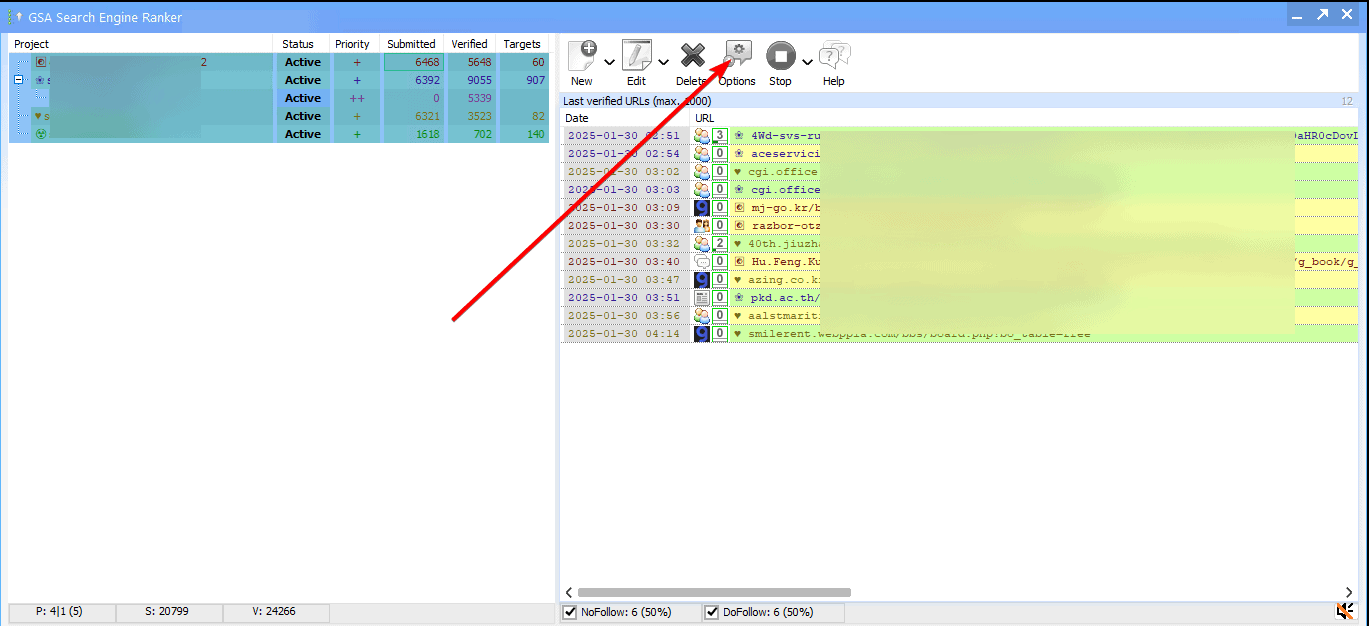
- Open GSA Search Engine Ranker and navigate to Options → Advanced → Import/Export.
- Select Import Target URLs and choose the downloaded file.
- Back in the main project window, ensure the checkbox “Use global site list if available†is activated under Project Options → Where to submit.
- Adjust your submission and threading settings to match the list size – larger lists can handle higher thread counts.
- Run a test campaign for 30 minutes and monitor the “Verified†column in the log. Replace any underperforming engines.
Best Practices for Maximizing a Global Site List
- Combine with verified personal lists: Use the global list as a volume layer while letting your own verified lists handle tier-1 link targets.
- Rotate proxies diligently: A list of this size will hammer IPs; use dedicated, backconnect, or rotating residential proxies to avoid blanket bans.
- Leverage custom footprints: Augment the global list with your own niche-specific footprints using the platform’s search engine scraping feature.
- Segment by engine: Run separate campaigns for high-value engines (e.g., Web 2.0) to allocate more resources and better content.
- Regularly prune dead entries: After each campaign, export and delete targets that return constant “failed to register†or “no submission URL found†errors.
- Schedule automatic updates: If you purchase a list, opt for a subscription that delivers fresh files on a cron-like schedule.
FAQs About GSA SER Global Site Lists
What’s the difference between a global site list and a verified site list?
A global site list contains a massive breadth of potential targets identified by platform footprints, but it does not guarantee that an account has been pre-registered. A verified site list includes only URLs where accounts exist and are ready for submission. Global lists are ideal for volume; verified lists are better for certainty.
Can I build my own global site list?
Yes. GSA SER can scrape search engines using footprints and build an internal global site list automatically over time. However, manual curation from scratch is extremely time-consuming. Most advanced users combine a purchased high-quality global site list with their own custom scraping for a unique, constantly growing resource.
How often should I update my global site list?
At minimum every two weeks. The web changes rapidly—domains expire, platforms upgrade, and anti-spam policies tighten. A stagnant list leads to plummeting success rates and wasted proxies. Subscribe to a reputable list provider that refreshes data weekly, or set GSA SER to gradually remove dead sites and scrape new ones in the background.
Will a global site list increase my risk of penalties?
When used recklessly, yes. Dumping links on thousands of low-quality domains without variation in anchor text or content can trigger filters. Mitigate risk by using the global list primarily for tier-2 and tier-3 link building, applying dithering to anchor text, spinning content heavily, and blending in nofollow and dofollow targets naturally.
Which platforms are usually included in a strong global site list?
A comprehensive list covers article (e.g., WordPress, Blogspot, Tumblr), forum (vBulletin, phpBB, XenForo), social bookmark (Pligg, Scuttle), wiki (MediaWiki, DokuWiki), guestbook, image comment, video (YouTube clones, Vimeo), indexer, and social network engines. It should also span ccTLDs like .co.uk, .de, .nl, .br to localize your footprint.
Do I still need a captcha solver if I use a global site list?
Absolutely. The majority of platforms on a global site list will have captcha protection during registration or submission. Services like CapMonster, XEvil, or a 2captcha integration are essential to achieve a high verification rate. Without captcha solving, success rates can drop below 10%, negating the advantage of the list.